

Northwest Diversity Learning Series Resources
ISDI provides the resources on this page for attendees of the NW Diversity Learning Series to continue your learning on the topics of our workshops. We intend for these to help you better understand and solve the DEI challenges and opportunities you encounter.
Please let us know if you discover a broken link or if a link takes you to a resource that does not fit the description. We want to fix it quickly so that you have the resource to use!
2026 NWDLS Workshop Resources
Navigating Workplace Uncertainties:
Let’s Recommit to Practicing Inclusion to FOster Safety, Belonging & Healthy Relationships
Resources
Workshop 1 | Workshop 2 | Workshop 3 | Workshop 4 | Workshop 5
NWDLS 2026 Workshop #1
Navigating Conflicting Mindsets: Engaging Skillfully in Dialogue Across Divides
With David Campt Ph.D

Books:
- Compassion Transforms Contempt: A Black Dialogue Expert’s Advice for White Progressives on Down-Revving Anger, Creating Connections…and Maybe Changing the World, by Dr. David Campt
- Dignity: Its Essential Role in Resolving Conflict, by Donna Hicks, September 14, 2021
- How Minds Change: The Surprising Science of Belief, Opinion, and Persuasion, by David McRaney, 2022.
- The Righteous Mind: Why Good People Are Divided by Politics and Religion, by Jonathan Haidt, 2013
- The Little Book of Dialogue for Difficult Subjects, by Lisa Schirch and David Campt, November 25, 2007
- 12 Do’s and Dont’s for Persuasion, by David Campt, Ph.D.
Videos
Dr. Campt’s Websites
NWDLS 2026 Workshop # 2
Working with Polarizing Tensions: Practicing Inclusion With Compassion And Care
With Bernardo M. Ferdman, Ph.D.

Articles/Chapters
- Ferdman, Bernardo M.. (2014). The practice of inclusion in diverse organizations: toward a systemic and inclusive framework. In B. M. Ferdman & B. R. Deane (Eds.), Diversity at Work: The Practice of Inclusion (pp. 3-54). Jossey-Bass.
- Ferdman, Bernardo M. (2016). “If I’m comfortable does that mean I’m included? And if I’m included, will I now be comfortable?” In L. M. Roberts, L. P. Wooten, & M. N. Davidson (Eds.), Positive organizing in a global society: Understanding and engaging differences for capacity-building and inclusion (pp. 65-70). Routledge.
- Ferdman, Bernardo M. (2017). Paradoxes of inclusion: Understanding and managing the tensions of diversity and multiculturalism, Journal of Applied Behavioral Science, 53 (2), 235-263. (also at https://bit.ly/Ferdman-paradox)
- Ferdman, Bernardo M. (2021). Inclusive leadership: The fulcrum of inclusion in diverse organizations. In B. M. Ferdman, J. Prime, R. Riggio (Eds.) Inclusive leadership: Transforming Diverse Lives, Workplaces and Societies (pp. 3-24). Routledge, 2021.
- Fernandez, Rich & Stern, Steph. (2020). Self-Compassion Will Make You a Better Leader. Harvard Business Review. (Discussion on treating oneself with the kindness offered to colleagues facing setbacks as a research-backed leadership skill that strengthens emotional intelligence, resilience, growth mindset, and integrity; includes practical exercises for daily work.)
- Heifetz, Ronald A. & Linsky, Marty. (2002). Leading with an Open Heart. Leader to Leader. (Exploration of the emotional demands of leadership and the vital necessity of maintaining curiosity, compassion, and openness during painful change; addresses the internal work required to resist cynicism and emotional withdrawal.)
- Stone, Douglas, Patton, Bruce, & Heen, Sheila. (2010). Difficult Conversations: How to Discuss What Matters Most. 10th anniversary edition). Penguin Books. (Book providing a foundational framework for analyzing and navigating high-stakes conversations based on three core dialogues: the ‘What Happened?’ conversation, the Feelings conversation, and the Identity conversation).
- Torres, Cheri & Stavros, Jackie. (2021). Two leadership practices for fostering difficult conversations at work. People and Strategy, 44 (31), 40-43. (Article focused on specific behaviors leaders can adopt to encourage constructive dialogue).
- Shifting Perspective to Shift Results, by Diana McClain Smith. In Systems Thinker: Building Shared Understanding, Vol. 22, No. 10, Dec. 2011/Jan. 2012
Blogs
- Staying the Course: Navigating the Tensions of Inclusion in a Time of Pushback (blog)
- Inclusive Leadership with Dr. Bernardo Ferdman. (Blog/Podcast interview transcript on the paradoxes of inclusion.)
- Self-Compassion In Leadership (blog). Edward Doherty (2025),. Forbes Coaches Council. (Exploration of how leaders can combat stress and burnout by practicing the same kindness toward themselves that they would offer a good friend; outlines key elements of self-compassionate leadership, including emotional awareness, empathy, and resilience, as essential tools for navigating overwhelming workplace demands.)
- Using the Experience Cube to Plan Difficult Conversations (Heather Croft; brief guide on using the Experience Cube—Thoughts, Feelings, Wants—as a self-reflection tool to structure and prepare for challenging dialogues with greater clarity and intention.)
Podcasts & Videos
- The Hard Skills – How to Navigate Tensions, Paradoxes, and Core Dilemmas of Inclusive Leadership. (Podcast interview with B. Ferdman.)
- The Psychology of an Inclusive Workplace. (Podcast interview with B. Ferdman.)
- Sarah McBride on Why the Left Lost on Trans Rights. The Ezra Klein Show (June 17, 2025). Podcast interview with Congresswoman Sarah McBride, discussing how to win hearts and minds through a politics of grace. Transcript
- How to Lead with Radical Candor (Kim Scott, TEDxPortland. Talk on balancing ‘Care Personally’ with ‘Challenge Directly.’ Framework for giving honest feedback while showing genuine care. Demonstrates how to avoid ruinous empathy and obnoxious aggression. Essential for leaders who want to be both kind and effective.)
- The Science of Self-Compassion (Dr. Kristin Neff, Talks at Google, ~62 min; a research-backed yet deeply personal conversation with the world’s leading self-compassion scientist, covering why self-criticism feels natural but backfires, and how treating yourself like a good friend is more effective for motivation and stress resilience. Key segments: the three-component model of self-compassion (2:40), busting the myths that self-kindness leads to weakness or laziness (24:16), and a guided 5-minute Self-Compassion Break you can start using immediately (37:38).)
Links
NWDLS 2026 Workshop # 3
Transforming Toxic Work Environments:
Creating Psychological Safety
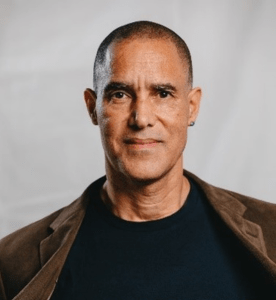
With Eddie Pate, Ph.D
Books
-
Daily Practices of Inclusive Leaders: A Guide to Building a Culture of Belonging Eddie Pate &
- Daily Practices of Inclusive Leaders. Website
Dropping Pebbles - The Inclusion Breakthrough Frederick A. Miller and Judith H. Katz
Organizations
Leaders are Learners
Privilege Articles:
- White Privilege: Unpacking the Invisible Knapsack’ and ‘Some Notes for Facilitators’ | National SEED Project
- The Male Privilege Checklist: An Unabashed Imitation of an Article by Peggy McIntosh | Colours of Resistance Archive
- White_Privilege_and_Male_Privilege_Personal_Account-Peggy_McIntosh.pdf (nationalseedproject.org)
- Use your Everyday Privilege to Help Others Dolly Chugh. Harvard Business Review
- How to Use Your Privilege to Even the Playing Field by Gorick Ng
Videos:
- Role reversal video
- PWC Unconscious Bias
- The Look
- Implicit Bias Test
- What is Intersectionality
- Blind Spots: Enhanced Objectivity
Antiracist, Privilege, and Racism Videos
- Antiracist vs not racist – Bing video
- Authors Robin DiAngelo and Ibram X. Kendi on How to Become Aware of Privilege – Bing video
- Jason Reynolds & Ibram X. Kendi – “Stamped” and the Story of Racism in the U.S. | The Daily Show – Bing video
- Ibram X. Kendi On What It Means To Be Antiracist In America | The 11th Hour | MSNBC – Bing video
- The Unequal Opportunity Race
- Silent Beats
- Redraw the Balance
- Blind Spots: Challenge Assumptions
- What Black Lives Matter Means to an 11 Year Old
- Microaggressions – Hatch workshop
- Chimamanda Adichie: The Danger of a Single Story
- How to be an Anti Racist
- RBC Speak Up for Inclusion
Links
- Eddie Pate, PhD
Eddie Pate Speaking & Consulting, LLC - Inclusive Pebbles
NWDLS 2026 Workshop # 4
Leading without Bias:
Unleashing Creativity and Innovation Inclusively
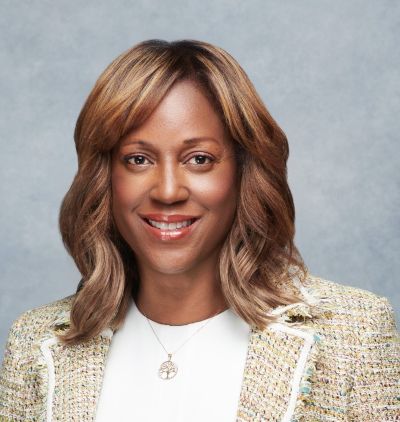
With Shari Dunn
Post-Workshop Resources
Leading Without Bias: Unleashing Creativity and Innovation Inclusively
NW Diversity Learning Series | September 23, 2026 | Presenter: Shari Dunn
Thirteen resources for continued learning, grouped to follow the arc of the session. Each entry notes what it is useful for, so participants can start where their own work sits.
Start Here
- Shari Dunn, Qualified: How Competency Checking and Race Collide at Work (HarperCollins, 2025)
The full argument behind the session: how competency checking operates, where it comes from, and what it costs organizations and the people inside them. - Bernardo M. Ferdman and Barbara R. Deane, eds., Diversity at Work: The Practice of Inclusion (Jossey-Bass, 2014)
Chapter one lays out inclusion as a practice rather than a state. Available free at the link below.
How Competency Checking Operates
- Costas Cavounidis and Kevin Lang, “Discrimination and Worker Evaluation,” NBER Working Paper 21612
A formal model of how added scrutiny compounds over a career. Useful for anyone who wants the mechanism stated in economic terms rather than moral ones. - The Atlantic, “Why Black Workers Really Do Need to Be Twice as Good” (2015)
A readable entry point that connects the research to lived experience. Good to send to a colleague who is new to the concept. - Shelley Correll and Caroline Simard, “Research: Vague Feedback Is Holding Women Back,” Harvard Business Review (2016) Shows how unevenly specific feedback becomes an advancement barrier. Pairs directly with the session segment on feedback and credit.
- Economic Policy Institute, “State Unemployment by Race and Ethnicity” (updated quarterly)
A living dataset rather than a snapshot: national and state unemployment rates and gaps by race and ethnicity, refreshed every quarter. Useful for grounding a conversation in current numbers rather than remembered ones.
What It Costs in Creativity and Innovation
- David Rock and Heidi Grant, “Why Diverse Teams Are Smarter,” Harvard Business Review (2016)
The performance case: how difference improves the quality of decisions, and why it only pays off under certain conditions. - Amy C. Edmondson, The Fearless Organization: Creating Psychological Safety in the Workplace for Learning, Innovation, and Growth (Wiley, 2018)
The conditions half of the equation. Innovation requires people willing to say the unproven thing out loud, and competency checking is a direct tax on that willingness. - Korn Ferry and The Executive Leadership Council, The Black P&L Leader: Insights and Lessons from Senior Black P&L Leaders in Corporate America (2019)
Interviews and assessment data from senior Black profit-and-loss leaders at Fortune 500 companies. Roughly six in ten reported having to work twice as hard and deliver twice as much to be seen as equal to their peers — competency checking measured at the top of the house.
Designing the Decision Differently
- Frank Dobbin and Alexandra Kalev, “Why Diversity Programs Fail,” Harvard Business Review (2016)
Thirty years of data on which interventions move representation and which backfire. The argument for designing systems rather than mandating attitudes. - Iris Bohnet, What Works: Gender Equality by Design (Harvard University Press, 2016)
A practical catalogue of decision-design changes — structured interviews, comparative evaluation, blind review — that shift outcomes without requiring anyone to change their beliefs first. - Lauren A. Keating, Peter A. Heslin, and Susan J. Ashford, “Good Leaders Are Good Learners,” Harvard Business Review (2017)
On leading as a learner rather than an authority, which is what makes it possible to hear that a system you built is producing an outcome you did not intend.
The Current Legal Landscape
- Ogletree Deakins, “Federal Court Permanently Blocks Florida Restrictions on Workplace Diversity Training” (2024)
A management-side employment law firm’s summary of the ruling that struck down the workplace-training provisions of Florida’s Individual Freedom Act on First Amendment grounds. Included as orientation for practitioners asking what employers may still do, not as legal advice; confirm current status before relying on it.