

Inclusion Calendar
Monthly Celebrations and Observances
September 2026: Hispanic Heritage Month
Hispanic Heritage Month
“Hispanic Heritage Month is a month-long celebration of Hispanic and Latino history and culture. While we celebrate Hispanic and Latino communites beyond this month, from September 15 to October 15 we give extra recognition to the many contributions made to the history and culture of the United States, including important advocacy work, vibrant art, popular and traditional foods, and much more.
Hispanic Heritage Month provides an additional opportunity to explore the incredible impact Latinas and Latinos have had on the United States for generations. The Latino presence in America spans centuries, predating Spain’s colonization of what is now part of the United States, and they have been an integral part of shaping our nation since the Revolutionary War. Through the Treaty of Guadalupe Hidalgo and the Treaty of Paris that followed the Mexican-American and Spanish-American wars, the United States gained territories in the Southwest and Puerto Rico. This incorporated the people of this area into the United States and further expanded the presence of Hispanic Americans.
Today, the Latino population in the United States today is over 60 million, according to the U.S. Census Bureau. This makes up 18.9% of the total population and is the largest racial or ethnic group. Latinos continue to help fuel our economy and enrich our nation as entrepreneurs, athletes, artists, entertainers, scientists, public servants, and much more.”
Understanding the Significance of June 19, 1865
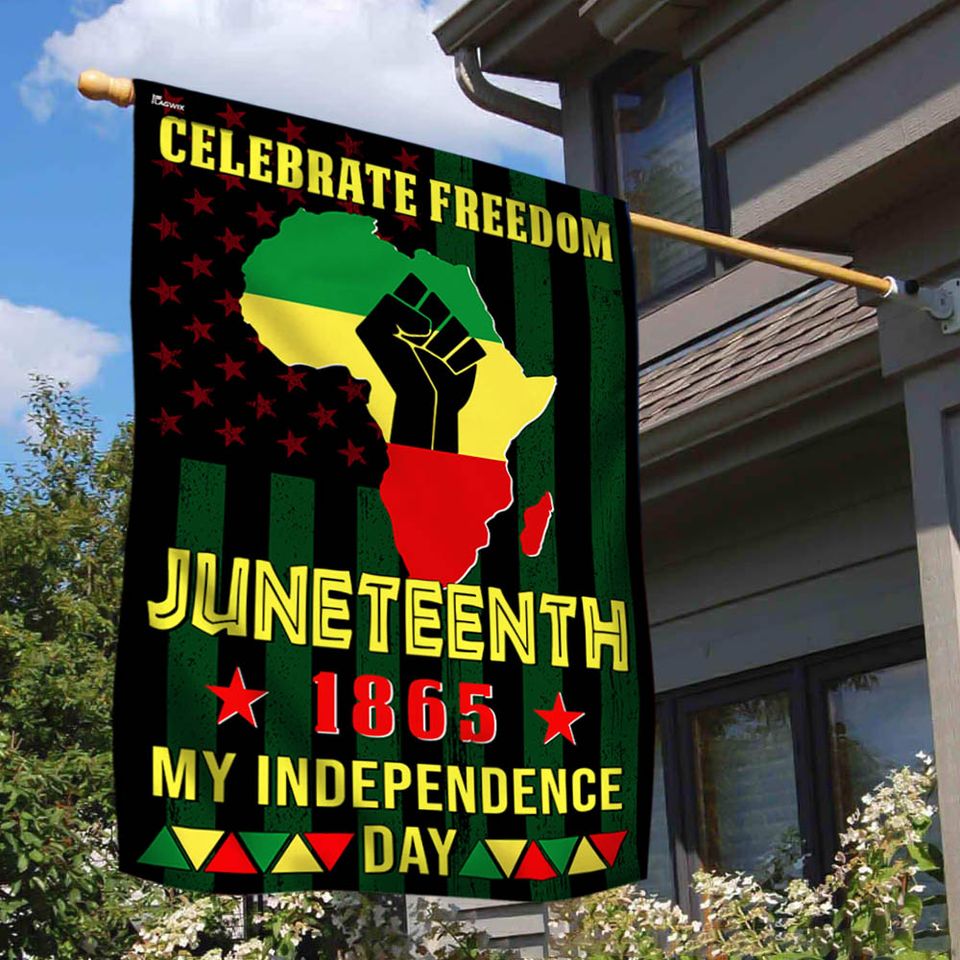
“…not everyone in Confederate territory would immediately be free. Even though the Emancipation Proclamation was made effective in 1863, it could not be implemented in places still under Confederate control. As a result, in the westernmost Confederate state of Texas, enslaved people would not be free until much later.
“Freedom finally came on June 19, 1865, when some 2,000 Union troops arrived in Galveston Bay, Texas. The army announced that the more than 250,000 enslaved black people in the state, were free by executive decree. This day came to be known as “Juneteenth,” by the newly freed people in Texas. “
Source: National Museum of African American History & Culture, Smithsonian, retrieved June 19, 2026